
Your path to a medical
cannabis card starts here.
Thinking about exploring New Mexico’s medical cannabis program? We’re here to help make the process easier to understand. Learn about eligibility, application steps, required documentation, and what to expect before visiting Elevation 6420.
Knowledge Makes All The
Difference.
Medical Cannabis and RSO: An Educational Starting Point
When someone is facing cancer, it is natural to look at every resource available, and many patients and families ask about medical cannabis and a product called RSO. This guide explains what these terms mean, what research does and does not show, and how to have a safer, better-informed conversation with your care team.
What is RSO?
RSO stands for “Rick Simpson Oil.” It is a thick, concentrated cannabis extract that is typically high in THC. Because it is so concentrated, a very small amount goes a long way, and the effects can be strong and long-lasting, especially when taken by mouth. Unlike a flower product or a low-dose tincture, RSO is not designed for casual or occasional use, and its potency is one reason education matters before anyone tries it.
What does the research say?
Researchers are studying cannabinoids in several areas related to cancer care, including nausea, appetite, and discomfort during conventional treatment. Laboratory studies exist, and some people share personal stories online, but there is no reliable clinical evidence that cannabis or RSO cures or treats cancer. It should never be used in place of the treatment your oncology team recommends.
It is also worth being careful with the claims you see online. Social media posts, videos, and product marketing sometimes make promises that science has not backed up. A good rule of thumb is that any source promising a cure is not an educational source.
Safety points worth knowing
- Tell your oncology team. Cannabinoids can interact with some medications, including certain chemotherapy and pain drugs.
- Start low and go slow. Concentrates are potent. Many people begin with a very small amount and wait a long time before considering more.
- Choose lab-tested products. Licensed retailers provide testing information so you know what is in the product and how strong it is.
- Plan for strong effects. Drowsiness, dizziness, and changes in mood or thinking can occur, so avoid driving or operating machinery.
- Store products safely. Keep concentrates and edibles in a locked place, away from children and pets.
Questions to bring to your appointment
- Could cannabis interact with my current medications or treatment plan?
- Are there symptoms where it may or may not be appropriate for me?
- How should I tell you what I am using so you can keep an eye on it?
- Are there warning signs I should call you about right away?
Supporting yourself and your family
A cancer diagnosis affects the whole family, and decisions about wellness products can feel overwhelming. Many people find it helpful to write down their questions, bring a trusted friend or relative to appointments, and keep a simple log of what they use and how they feel, so their care team has the full picture. Caregivers are welcome to ask questions too.
How Elevation 6420 can help
Our team can walk you through product types, explain how to read lab results, and answer product questions in a calm, no-pressure setting. We share product information only, and we never replace the guidance of your doctor. If you do not yet have a medical card, our telehealth provider can talk with you about the process from home.
Disclaimer: This article is for educational purposes only. Cannabis is not a substitute for professional medical advice, diagnosis, or treatment, and nothing here is a claim that cannabis treats, cures, or prevents any medical condition. Always consult your healthcare provider.
Cannabis and Parkinson’s Disease: What the Research Says So Far
Parkinson’s disease affects movement, sleep, mood, and daily comfort in different ways for each person. Because of that, many patients and families are curious about whether cannabis-related products have any role. This article offers a balanced look at where the science stands today and how to approach the topic safely.
A growing but unfinished body of research
Researchers have studied cannabinoids such as THC and CBD in people with Parkinson’s, looking at things like tremor, sleep quality, mood, and discomfort. Results so far have been mixed. Some small studies and patient surveys report benefits, while others show little or no difference. Larger, well-controlled trials are still needed before anyone can draw firm conclusions.
Why the answers vary so much
- Every person is different. Parkinson’s presents differently from one person to the next, and so do symptoms from day to day.
- Products differ. THC-dominant, CBD-dominant, and balanced products can feel very different.
- Dose and delivery matter. Inhaled products, edibles, and tinctures act at different speeds and for different lengths of time.
- Study design varies. Many studies are small, short, or rely on self-reported experiences, which makes comparison difficult.
Important cautions
Cannabis is not risk-free, and some of its effects deserve extra attention for people living with Parkinson’s and for older adults in general.
- THC can cause dizziness, changes in blood pressure, confusion, or drowsiness, which may raise the risk of falls.
- Cannabis may interact with Parkinson’s medications and other prescriptions.
- Older adults are often more sensitive to its effects, so a very low starting amount is commonly advised.
- Smoking or vaping can irritate the lungs, so some people look at non-inhaled options instead.
Understanding the symptoms
Parkinson’s involves both motor symptoms, such as tremor, stiffness, and slowness, and non-motor symptoms, such as sleep disruption, low mood, and constipation. Studies often look at only one of these at a time, which is another reason results are hard to compare. When you read about a study, check which symptom was measured and how many people took part.
Make it a team conversation
Before trying any cannabis product, speak with your neurologist or movement-disorder specialist. They know your medications, your history, and the timing of your symptoms, and they can help you decide whether it is appropriate and what to watch for. If you do try a product, consider keeping a simple journal noting what you used, how much, when, and how you felt. That record can make your next appointment far more useful.
Tips for caregivers and family
If you care for someone with Parkinson’s, it helps to be part of the conversation. Ask about safe storage, watch for changes in balance or alertness, and make sure any new product is shared with the medical team. Never change or stop prescribed medications without your doctor’s guidance.
Learning more at Elevation 6420
We are happy to explain how different product types work, what the labels mean, and what the available research suggests. Our role is education, not medical advice, so bring your questions and your care team’s guidance with you. If you still need a medical card, our telehealth provider can help you understand the next steps.
Disclaimer: This article is for educational purposes only. Cannabis is not a substitute for professional medical advice, diagnosis, or treatment, and nothing here is a claim that cannabis treats, cures, or prevents any medical condition. Always consult your healthcare provider.
Cannabis Topicals and Other Options for Everyday Discomfort
Living with arthritis or ongoing pain often means looking for options that fit into your daily routine. Cannabis products come in many forms, and some people prefer ones that stay on the skin rather than affecting the whole body. This guide covers the main product categories, practical tips, and what the research does and does not tell us.
Topical products
Topicals include creams, balms, salves, roll-ons, and patches applied directly to the skin. Many are designed to stay local and are generally non-intoxicating when used as directed, although transdermal patches are designed to enter the bloodstream and may feel different. Some people use topicals on hands, knees, shoulders, or the lower back. Research on specific products is still limited, so experiences vary widely from person to person.
Other product types
- Tinctures: liquid drops taken under the tongue, with measured dosing that is easy to adjust slowly.
- Edibles: slower to start, often lasting several hours, which makes patience important.
- Inhaled products: faster onset but shorter duration, and not a good fit for everyone, especially those with lung concerns.
Tips for trying a topical
- Patch test first. Apply a small amount to a small area and wait 24 hours to check for irritation.
- Avoid broken or irritated skin, and keep products away from eyes and sensitive areas.
- Read the label. Look at cannabinoid content, other ingredients such as menthol or essential oils, and the directions for use.
- Be patient. Some people need to use a product consistently, following the directions, before deciding whether it suits them, and not everyone notices an effect.
- Wash your hands after applying, unless the product is meant for the hands.
Understanding your type of discomfort
“Arthritis” covers many conditions, from wear-and-tear osteoarthritis to autoimmune forms such as rheumatoid arthritis. Chronic pain can also come from nerves, muscles, or past injuries. Because the causes differ, a product that one person likes may do nothing for another, so it helps to know your diagnosis and discuss options with your provider.
A word on the evidence
Studies on cannabis for arthritis and chronic pain are ongoing, and the results so far are mixed. Reviews often point out that many trials are small and that more high-quality research is needed. Cannabis should not replace treatment plans from your doctor, physical therapist, or rheumatologist, and it may interact with some medications, including blood thinners.
Building a bigger picture
Many people living with chronic discomfort find that no single product does everything. Gentle movement, stretching, heat or cold packs, good sleep, and a supportive medical team often form the foundation of a daily routine. If you decide to add a cannabis product, think of it as one small part of that routine, and keep notes on what you try so you can discuss it with your provider.
Visit us with your questions
The Elevation 6420 team can show you the topical and other options we carry, explain how they differ, and answer questions about ingredients and labels, all without pressure. We share education only and cannot give medical advice, so please check with your healthcare provider about what is right for you.
Disclaimer: This article is for educational purposes only. Cannabis is not a substitute for professional medical advice, diagnosis, or treatment, and nothing here is a claim that cannabis treats, cures, or prevents any medical condition. Always consult your healthcare provider.
Cannabis and Sleep: Understanding Evening and Relaxation Routines
Restless nights can affect everything from mood to focus to how you feel physically. Some adults explore cannabis products as part of an evening routine, so here is what is worth knowing before you try anything, including what the research suggests and where the cautions are.
Why people choose evening products
Many customers look for products labeled for evening use because they want to unwind at the end of the day. These are often balanced or THC-leaning products, and some include minor cannabinoids such as CBN or terpenes such as myrcene. Research on these specific ingredients and sleep is still early, and marketing terms like “sleepy” or “nighttime” are not medical claims, so experiences are very individual.
What the research suggests
Studies on cannabis and sleep have produced mixed results. Some people report falling asleep more easily in the short term, while research also raises questions about tolerance, grogginess the next day, and possible effects on sleep quality over time. Some people also notice that sleep becomes harder when they stop using cannabis after regular use. We cannot promise that any product will help you sleep.
Thoughtful habits to consider
- Start low, go slow. Edibles can take one to two hours to be felt and may last for many hours.
- Time it carefully. A late dose can mean a groggy morning, so think about when you need to be alert.
- Do not mix with alcohol or sedating medications unless your provider says it is okay.
- Avoid driving or operating machinery after use.
- Keep the basics. A regular schedule, a dark, cool, quiet room, and limiting screens before bed still matter most.
Know your own pattern
Not all sleep trouble looks the same. Some people struggle to fall asleep, others wake in the middle of the night, and others wake far too early. A sleep diary, noting bedtime, wake time, caffeine, and how you felt the next day, can reveal patterns and gives your provider something concrete to review. It also helps you notice whether anything you try is really making a difference.
Building an evening routine
Many sleep specialists suggest starting with habits before products. Try going to bed and waking up at the same time each day, limiting caffeine in the afternoon, and creating a short wind-down ritual such as light stretching, reading, or a warm shower. If you decide to include a cannabis product, treat it as an addition to those habits rather than a replacement, and pay attention to how you feel the next morning.
When to talk to a professional
Ongoing trouble sleeping can be linked to conditions like sleep apnea, pain, depression, anxiety, or the side effects of medications. If sleep problems last for weeks, or if you snore loudly, wake up gasping, or feel very tired during the day, speak with your healthcare provider. A professional can look for underlying causes that no product can address.
Ask our team
At Elevation 6420 we can explain what “evening” labels usually mean, how product types differ, and how to read lab information on the package. We share education only, so we cannot give medical advice, but we are glad to help you feel informed and comfortable.
Disclaimer: This article is for educational purposes only. Cannabis is not a substitute for professional medical advice, diagnosis, or treatment, and nothing here is a claim that cannabis treats, cures, or prevents any medical condition. Always consult your healthcare provider.
Stress, Anxiety, and Cannabis: Product Types and Reported Effects
Stress is a normal part of life, and many people explore different ways to unwind at the end of a hard day. If you are curious about cannabis, it helps to understand how products differ, how responses vary from person to person, and where the real limits and risks are.
THC and CBD are not the same
THC is the compound mainly responsible for the “high.” CBD does not cause intoxication in the same way. Some people prefer CBD-dominant or balanced products for a gentler experience, while others find THC-heavy products too intense. Labels usually list both numbers, and understanding the ratio is one of the most useful things a beginner can learn.
Product types and how they feel
- Inhaled products act quickly, often within minutes, and wear off sooner.
- Edibles and drinks take longer to start and can last for hours, which is why many people accidentally take too much.
- Tinctures are taken under the tongue or in food and offer measured, adjustable amounts.
- Topicals are applied to the skin and are generally not intended to cause a high.
An honest note on anxiety
Reports are mixed. Some people say low doses help them relax, but in others, especially at higher doses, THC may increase nervousness, racing thoughts, a fast heartbeat, or paranoia. Research is ongoing, and cannabis is not a replacement for therapy, counseling, or prescribed treatment. If you already take medication for anxiety or depression, talk with your provider first.
Why responses differ
Body weight, tolerance, food in your stomach, sleep, mood, and even the setting can change how a product feels. Two people can take the same amount and have very different experiences, and the same person can feel different from one day to the next. That is why a cautious, patient approach is so often recommended.
Reducing the chance of a rough experience
- Start with a very small amount and wait before taking more.
- Be extra patient with edibles, which can take up to two hours to be felt.
- Choose a comfortable, familiar setting and avoid trying new products when you are already very anxious.
- Look at the ratio. Products with more CBD relative to THC tend to feel milder for many people.
- Stay hydrated and have a snack and a calm place to sit if you feel uneasy.
Who should be extra careful
Some people should talk with a professional before trying cannabis at all, including anyone with a personal or family history of anxiety disorders, panic attacks, or psychosis, people who are pregnant or nursing, and anyone taking prescription medications. Cannabis is for adults only and should never be shared with minors.
Other tools that matter
Sleep, regular exercise, time outdoors, limiting caffeine, and talking with someone you trust all support emotional wellbeing. Breathing exercises, journaling, and mindfulness practices can be helpful too. If stress or anxiety is interfering with daily life, work, or relationships, a licensed professional can offer support that goes well beyond any product.
If you are in crisis or thinking about harming yourself, call or text 988 (Suicide & Crisis Lifeline) or contact emergency services right away.
Questions? Stop by
Our Elevation 6420 team can explain product types, cannabinoid ratios, and what the labels mean, with no pressure and no medical claims. We are here to help you learn, not to tell you what to take.
Disclaimer: This article is for educational purposes only. Cannabis is not a substitute for professional medical advice, diagnosis, or treatment, and nothing here is a claim that cannabis treats, cures, or prevents any medical condition. Always consult your healthcare provider.
Getting Your Medical
Card Made Simple.
Talk To A Telehealth
Doctor From Home.
Dr. Peter Smith
Questions?
We’re Here To Help.
New Mexico’s medical cannabis program is run by the state Department of Health. In general, you learn about qualifying requirements, complete the state’s official application with the required documentation, and receive your card from the state. Our team can answer questions about what to prepare before you visit.
Bring your valid New Mexico medical cannabis card and a valid government-issued photo ID. If you have questions about anything else, our team is happy to help before you arrive.
RSO is a concentrated cannabis oil, offered in a measured oral applicator. Our team can share general product information, and we always encourage you to talk with your healthcare provider about what is right for you.
Topicals, such as lotions and roll-ons, are applied to the skin, while other cannabis products are consumed in different ways. Our team can walk you through the product types we carry and how each is typically used.
Absolutely. Our budtenders are happy to answer questions, explain product types, and share general information. They can’t give medical advice, so please check with your healthcare provider about your health and treatment options.
Yes. Qualifying patients with a valid medical card can explore available medical products in store. Availability can change, so ask our team about what is currently on the shelves.
A knowledgeable budtender can help you understand product types, potency, and how products are commonly used, so you can feel comfortable and informed with your choices, with no pressure.
Your First Visit.
A Better
Experience.
Care You Can Feel.
Service You Can Trust.
Posted on Google
 Mike Graham
Trustindex verifies that the original source of the review is Google.
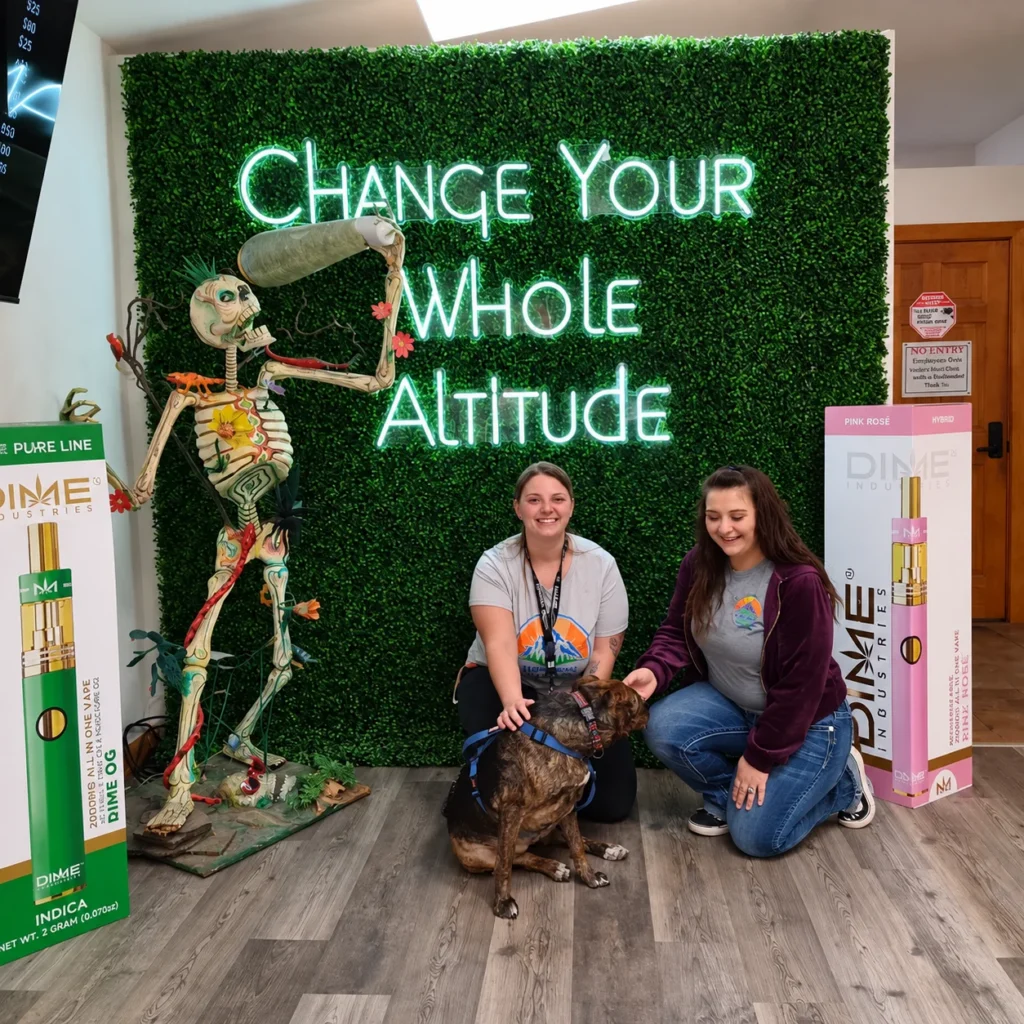
Just want to share a great experience at this location. From the little Museum in the front which was awesome.. I'm an old man that has been smoking for over 50 years. So for me to find a dispensary that is so helpful and knowledgeable about their products. I have to say Jamye is one of the best ...she helped this old man get the right thing . To make my experience in Ruidoso one to remember. I was so impressed will definitely recommend you to friends and I'll definitely be back. way to go Jamye.M.GrahamPosted on Google Wally BOn a trip to Ruidoso, I discovered the very best dispensary I have ever been to, with one of the most knowledgeable, friendly, and helpful young ladies I have ever met; Jamye was her name, and she went above and beyond helping an old man out. Thank you so very much; I would highly recommend the shop and Jamye to anyone looking for the best people with great knowledge of what they are doing and great deals. Oh, by the way, they have a really cool little museum in there also, and I would recommend you check it out as well.Posted on Google
 Janet DaughtryI’ve met many friendly and helpful people in dispensaries around the country, Sydney was an exceptional experience! Her friendly disposition and ability to really listen to your requests, sets her in a class of her own. We travel through here a couple of times a year and I will always return to this business because of today’s experience. Thank you Sydney!Posted on Google
 Robert EsseryGreat experience, 100% satisfied. Will be back.Posted on Google
 Elizabeth HarrisA warm welcome and outstanding service from Sydney. Thank you.Posted on Google
 Lisa SawyersThe wonderful woman, Roxanne, I encountered the first evening was so incredible, knowledgeable and friendly. I took my partner the next day and he spoke with Sydney who said Roxanne was a new employee and it was great to hear that the new employee was doing so well. His encounter with Sydney was an excellent experience. Her knowledge of the plant combined with her understanding of our needs and goals for pain relief, sleep and relaxation were exceeded. Two Happy Campers
